


Safe fruits for sugar gliders include apple (with the seeds and core removed), banana, mango, papaya, melon, guava, kiwi and blueberries. Fruit should be a small, fresh, well-washed extra in a balanced diet, not the main meal. Some fruits are best skipped entirely, including grapes and raisins, canned fruit and anything with pits or seeds.
At SunCoast Sugar Gliders we've fed and cared for gliders since 1999. This guide lists the fruits most vet sources consider safe, the ones to avoid or limit, and simple ways to prepare fruit so it supports your glider's health instead of crowding out better nutrition.
Why Fruit Is Only a Small Part of the Diet
Wild sugar gliders eat tree sap and gum, nectar, pollen and insects. Fruit is a treat for them, not a staple. Pet gliders love sweet flavors and will often pick fruit over everything else in the dish, which can lead to weight gain, dental problems and a calcium shortfall.
That's why vets recommend building the diet around a quality staple food, protein from gut-loaded insects and a nectar or sap-style component, with fresh produce as a smaller add-on. For the full picture, read our sugar glider diet guide.
Safe Fruits for Sugar Gliders
These fruits appear on safe lists from vet and exotic animal hospital sources. Offer a variety in small pieces and see what your gliders enjoy.
- Apple, peeled or well washed, with the core and seeds removed
- Banana, a favorite, but very sweet, so keep portions small
- Mango, with the pit and skin removed
- Papaya, with the seeds scooped out
- Cantaloupe, honeydew and watermelon, seeds and rind removed
- Guava, seeds removed
- Kiwi, peeled
- Blueberries, washed and cut in half for small gliders
- Peach, plum and nectarine flesh, with the pit fully removed
- Orange and tangerine segments, occasionally, with seeds removed
Fruits Where Sources Disagree
Some fruits show up on both safe and caution lists. VCA and other vet sources point out that strawberries, raspberries, blackberries, pears and figs are high in oxalates, which can reduce calcium absorption. Other care sheets list berries and pears as acceptable in small amounts. If you'd like to offer these, keep them occasional and ask your exotics vet what makes sense for your gliders.
Fruits and Foods to Avoid
- Grapes and raisins. Several vet sources advise against them. Our article on whether sugar gliders can eat grapes explains the debate.
- Canned fruit and fruit in syrup. These contain added sugar and preservatives.
- Dried fruit with added sugar or sulfites. Read labels carefully.
- Fruit pits and seeds. Remove them from cherries, peaches, plums, apricots, apples and similar fruits.
- Avocado. Exotic animal hospitals list it as a food not to give.
- Anything sprayed with pesticides. Choose organic when you can and wash all produce well.
For the wider list of unsafe foods, including chocolate, caffeine and seasoned human food, see our guide to what not to feed sugar gliders.
How to Prepare and Serve Fruit
Wash, Peel and Chop
Rinse all fruit thoroughly to remove dirt, bacteria and residue. Peel thick or waxy skins, remove every pit and seed, and cut fruit into small pieces your gliders can hold in their hands.
Serve Fresh in the Evening
Sugar gliders are nocturnal, so offer fresh foods in the evening when they're awake. Remove leftover fruit in the morning so it doesn't spoil in the cage.
Mix It Up, Then Watch
Rotate fruits through the week instead of serving the same one every night. Offer more vegetables than fruit overall. When you introduce something new, give a small piece and watch for changes in droppings or appetite.
Mind the Calcium Balance
Many fruits are low in calcium compared with phosphorus. Over time, a fruit-heavy diet can tip that balance the wrong way. Our article on the calcium to phosphorus ratio explains why it matters, and your vet can advise on supplements.
A Fruity Flavor Without the Guesswork
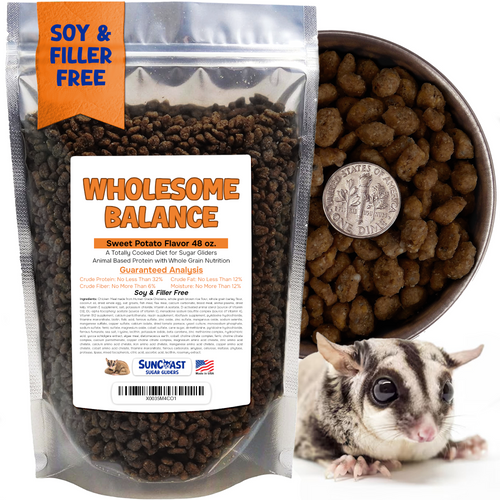
If your gliders love fruit, a fruit-flavored staple can satisfy that sweet tooth while keeping their main meal balanced. Happy Glider Fruity is our premium nutrition staple with a fruity flavor gliders enjoy. It's soy and filler free and made in the USA. Fresh fruit can then stay a small, fun extra.
When to Call an Exotics Vet
Call a vet experienced with sugar gliders if your glider has diarrhea that lasts, stops eating, loses weight, seems weak in the back legs or shows any sign of illness after a new food. Bring a list of everything you've been feeding.
Frequently Asked Questions
What fruit can sugar gliders eat every day?
Gliders can have a small amount of fresh fruit as part of a balanced daily diet. Rotate safe options like apple, papaya, mango and melon rather than serving one fruit every day, and keep the staple food as the main meal.
Can sugar gliders eat bananas?
Yes. Banana is on most safe lists, but it's very sweet, so keep it to small pieces as an occasional part of the fruit rotation.
Can sugar gliders eat strawberries?
Sources differ. Strawberries are high in oxalates, which can interfere with calcium absorption, so some vets advise avoiding them. If you offer them, keep them occasional and check with your vet.
Can sugar gliders eat fruit skins and seeds?
Remove all seeds and pits. Thin skins are fine on some fruits if well washed, but peeling is safest for waxy or sprayed produce.
Shop Premium Nutrition for Your Gliders
Fruit is the fun part, but a balanced staple does the heavy lifting. Browse our sugar glider food collection and enjoy free shipping on orders of $30 or more.